Small But Mighty: How Craft Brewers Are Packing Big Flavor Into Low-ABV Pints
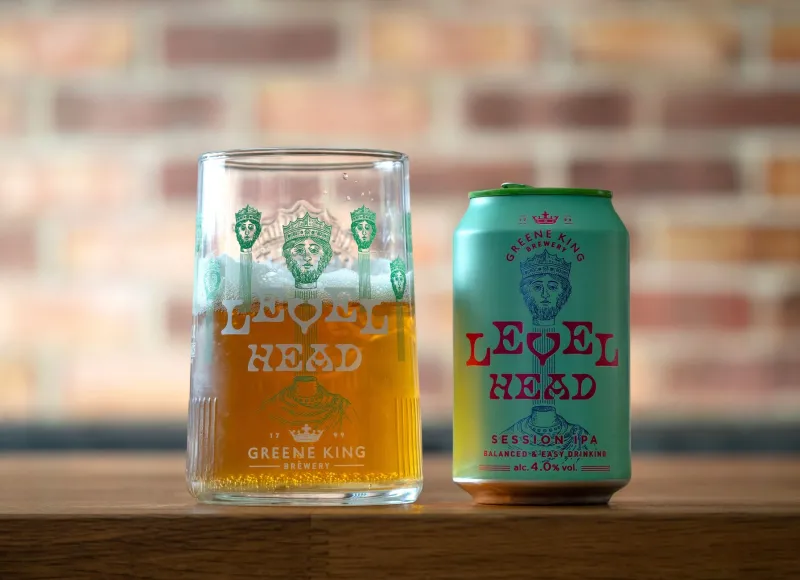
There's an old joke that used to float around craft beer circles: sessionable means you can drink a lot of it, mostly because there's not much worth savoring. For a long time, that cynicism wasn't entirely unfounded. Lower-alcohol beers — generally anything clocking in under 5% ABV — had a reputation for being thin, watery, or just plain boring. They were the beers you grabbed when you had somewhere to be afterward.
But something has shifted. Walk into any serious taproom from Asheville to Portland these days, and you're likely to find a low-ABV offering that stops you mid-sip. These aren't afterthoughts. They're often the most technically demanding beers on the menu — and the brewers making them are proud to tell you why.
Why Low-ABV Is Harder Than It Looks
Here's the thing most casual drinkers don't realize: alcohol itself contributes to a beer's mouthfeel, aroma carry, and overall perceived fullness. Strip it out, and you're not just reducing the buzz — you're potentially hollowing out the entire drinking experience. That's the fundamental challenge brewers face when they set out to make a genuinely satisfying low-ABV beer.
"Alcohol is basically doing a lot of the heavy lifting you don't even notice," says one head brewer at a small craft operation in the Midwest. "When you take it away, every other variable gets amplified. A flaw that might hide in a 7% IPA becomes glaring at 3.5%."
That means the margin for error shrinks considerably. Water chemistry, malt selection, hop timing, fermentation temperature — every decision carries more weight when there's less alcohol acting as a buffer.
The Malt Factor: Building Body Without Booze
One of the most common approaches brewers are using to compensate for reduced alcohol is leaning harder on specialty malts. Grains like oats, wheat, and rye add proteins and starches that create a fuller, silkier mouthfeel — the kind of texture that tricks your palate into thinking it's drinking something richer than it actually is.
Flaked oats in particular have become something of a secret weapon. Originally popularized in New England-style IPAs, they're now showing up in everything from low-ABV amber ales to session saisons, lending a soft, pillowy body that belies the modest alcohol content.
Some brewers are also experimenting with caramel and crystal malts more aggressively than they might in higher-gravity beers, layering in sweetness and complexity that keeps each sip interesting. The key is balance — too much residual sweetness and the beer tips into cloying territory, but dialed in correctly, it creates a satisfying richness that carries the drinker through a full pint.
Hops, Timing, and the Dry-Hop Revolution
On the hop side, the shift toward late-addition and dry-hopping techniques has been a game-changer for sessionable beers. Traditional hop schedules added bitterness early in the boil, which can feel harsh or astringent when there's not enough malt backbone to balance it. But adding hops late — during whirlpool or post-fermentation — preserves volatile aromatic compounds that deliver intense tropical, citrus, or floral notes without the bite.
"Dry hopping a 4% beer is almost like cheating," laughs one brewer from a Pacific Northwest craft spot known for its hop-forward sessionable ales. "You get this massive aroma that hits before the beer even touches your lips. People assume it's going to be big and boozy because of how it smells, and then they're genuinely surprised when it's crushable."
New hop varieties developed specifically for aroma — including some experimental strains coming out of the Yakima Valley in Washington — are also giving brewers more tools to work with. These cultivars pack extraordinary aromatic intensity at lower usage rates, making them especially valuable when you're trying to maximize flavor without adding fermentable sugars that would push the ABV up.
Yeast: The Unsung Hero
Fermentation science is arguably where the most exciting low-ABV innovation is happening right now. Yeast selection has a massive impact on the final character of any beer, but it's particularly critical at lower alcohol levels.
Certain yeast strains produce more esters — the fruity, sometimes spicy compounds that add complexity — during fermentation, even when the overall sugar content is modest. Belgian and German ale strains, long prized for their expressive character, are increasingly being used in American craft applications specifically because they can generate layers of flavor that the malt and hops alone might not fully deliver.
There's also growing experimentation with mixed fermentation and non-Saccharomyces yeasts — the kinds typically associated with wild ales and sours — being used in controlled ways to add earthy, funky, or tart notes to low-ABV styles. It's not for every drinker, but it's a sign of just how seriously brewers are taking the creative potential of this space.
What This Means for the Everyday Craft Beer Drinker
For those of us who love craft beer but also, you know, have jobs and responsibilities, the low-ABV revolution is genuinely exciting. The expectation that a session beer has to be a compromise is fading fast. More and more craft beer enthusiasts are seeking out these lower-alcohol options not because they have to, but because they want to — because the beers are actually that good.
Taprooms are noticing. Many are now dedicating permanent tap lines to low-ABV offerings rather than treating them as seasonal novelties or obligatory inclusions. Some are even building entire menus around the concept, positioning themselves as destinations for drinkers who want a long, leisurely afternoon of genuinely interesting beer without the consequences of a higher-gravity crawl.
It's a shift that reflects a broader maturation of craft beer culture in America. We're past the phase where bigger automatically meant better — where every new release had to push further into imperial territory to get attention. Nuance, drinkability, and technical precision are having their moment. And honestly? It's about time.
Next time you're at your local taproom, skip past the double IPA for a minute and ask what's on the lower end of the ABV spectrum. You might be surprised by what's waiting for you.