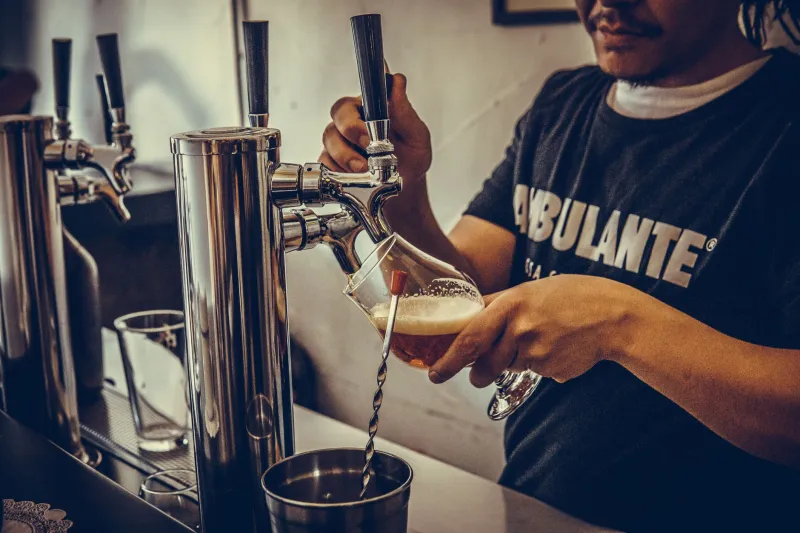
Grain, Reimagined: The Creative Ways Craft Breweries Are Cooking With What's Left Over
Every batch of beer starts with grain. Malted barley (and sometimes wheat, oats, or rye) gets mashed in hot water, releasing the fermentable sugars that eventually become the beer in your glass. But once those sugars are extracted, you're left with a pile of wet, spent grain that's still packed with fiber, protein, and a warm, slightly toasty flavor. For a long time, most of that grain ended up on nearby farms as animal feed — or worse, in the trash.
Not anymore. Across the country, craft breweries are getting seriously creative with what happens after the mash tun is emptied. From bakeries operating out of brewery kitchens to dog treat companies born from brewing byproducts, the zero-waste movement has found a surprisingly delicious home in the craft beer world.
What Is Spent Grain, Exactly?
Before we dig into the food side of things, it helps to understand what spent grain actually is. During the mashing process, crushed malted grain is steeped in hot water to convert starches into sugars. Once the liquid (called wort) is drained off and sent to the brew kettle, what's left behind is the spent grain — a fibrous, moist material that looks a bit like wet oatmeal and smells faintly of fresh bread.
A single batch of beer can generate hundreds of pounds of spent grain. A mid-sized craft brewery running multiple batches per week might produce several tons of it every month. That's a lot of material, and managing it has historically been a real logistical challenge for small brewers.
The good news: spent grain is genuinely nutritious. It's high in dietary fiber, still contains residual proteins and B vitamins, and carries a mild, nutty flavor that plays beautifully in baked goods. Chefs and food entrepreneurs have taken notice.
Bread, Crackers, and the Bakery-Brewery Crossover
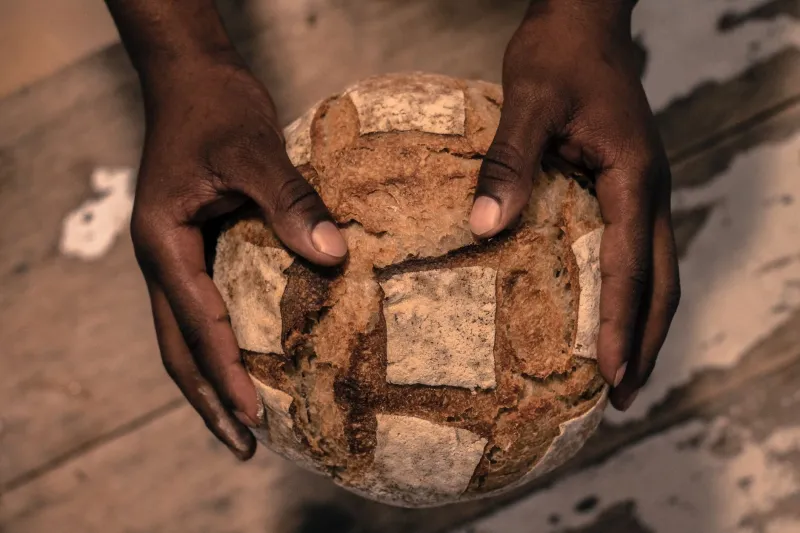
The most natural use for spent grain is probably in bread, and plenty of breweries have leaned into it hard. The grain adds a hearty texture, a subtle maltiness, and a slightly chewy crumb that's become a signature of the style.
Half Acre Beer Company in Chicago has long been recognized for its sustainability programs, and their spent grain bread — sold at the taproom and used in their on-site kitchen — has become a beloved side attraction for regulars. The loaves are dense, satisfying, and taste like they were made specifically to pair with a cold pint. (Because, in a sense, they were.)
Down in Asheville, North Carolina — one of the most vibrant craft beer cities in the country — Burial Beer Co. has partnered with a local baker to produce spent grain crackers that sit alongside their charcuterie boards. The crackers have a rough, rustic texture with a toasty depth that pairs surprisingly well with sharp cheese and cured meats. It's a small detail, but it tells a bigger story about how Burial thinks about their relationship with ingredients.
"We hate waste," says a rep from Burial. "If something can be used, it should be used. And if it can be delicious while being used, even better."
Dog Treats: Breweries' Four-Legged Fan Base
Here's a development nobody saw coming: spent grain dog biscuits have become one of the most popular retail items at taprooms across the country.
The logic is sound. Spent grain is safe for dogs, rich in fiber, and bakes into a crunchy, long-lasting treat that pups go absolutely wild for. And since many craft taprooms are already dog-friendly gathering spots, selling branded dog biscuits to pet owners who are literally sitting there with their dogs is about as natural a product-market fit as you can get.
Old Bust Head Brewing in Vint Hill, Virginia, started selling spent grain dog treats a few years back and they've since become one of their most consistent taproom sellers. "People come in, grab a flight, and pick up a bag of biscuits for their dog on the way out," says brewery manager Claire Osgood. "It's become part of the ritual."
Several other breweries have taken it a step further, partnering with local pet treat companies or even spinning off small side brands. It's a clever way to generate a little extra revenue from material that would otherwise cost money to dispose of.
Pasta, Pizza Dough, and Beyond
The culinary applications don't stop at bread and dog biscuits. A handful of ambitious breweries and their culinary partners have started incorporating dried spent grain flour into pasta, pizza dough, granola, and even pancake mix.
Spent grain can be dried and milled into a coarse flour that substitutes for a portion of regular wheat flour in most recipes. The resulting products have a nuttier, more complex flavor than their conventional counterparts — and they carry a subtle story that resonates with craft beer fans who care about where their food comes from.
Civil Life Brewing in St. Louis has experimented with spent grain pasta served at brewery events, while a growing number of taprooms on the West Coast have added spent grain pizza crusts to their food menus. The crust is chewier and more flavorful than standard dough, and it makes for a genuinely great pairing with a hop-forward IPA or a malty amber ale.
Sustainability as a Core Craft Beer Value
What's driving all of this creativity isn't just novelty — it's a genuine commitment to sustainability that runs deep in the craft brewing community. Small, independent breweries have always prided themselves on being embedded in their local communities, and that ethos naturally extends to how they think about their environmental footprint.
Brewers Association data suggests that sustainability initiatives — including spent grain repurposing, water conservation, and renewable energy use — are growing priorities for small and independent craft breweries across the US. For many taproom owners, these choices are as much about values as they are about economics.
"Our customers care about this stuff," says Nadia Flores, co-owner of Sunbelt Brewing in San Antonio, Texas, which donates a portion of its spent grain to a local urban farm and uses the rest in a line of taproom baked goods. "They want to know that the beer they're drinking was made thoughtfully. The grain program is part of that story."
Try It at Home: Simple Spent Grain Banana Bread
If you're a home brewer, you're probably already drowning in spent grain after every batch. Here's an easy way to put it to good use.
What you'll need:
- 1 cup wet spent grain (drained as much as possible)
- 1 ½ cups all-purpose flour
- 3 ripe bananas, mashed
- 2 eggs
- ⅓ cup melted butter
- ¾ cup brown sugar
- 1 tsp baking soda
- ½ tsp salt
- 1 tsp vanilla extract
How to make it:
Preheat your oven to 350°F and grease a standard loaf pan. In a large bowl, mix the mashed bananas with the melted butter, eggs, brown sugar, and vanilla. In a separate bowl, combine the flour, baking soda, and salt. Fold the dry ingredients into the wet mixture, then stir in the spent grain until just combined — don't overmix. Pour into the loaf pan and bake for 55–65 minutes, until a toothpick comes out clean. Let it cool before slicing.
The spent grain adds a hearty, slightly chewy texture and a mild malt flavor that makes this banana bread taste like something you'd find at a really good taproom. Which, in a way, it kind of is.
The Bigger Picture
Spent grain is just one piece of the sustainability puzzle for craft breweries, but it's a visible, tangible, and genuinely tasty one. When a brewery sells you a loaf of bread made from the same grain that went into your pint, it closes a loop in a way that feels meaningful — not performative.
That's the craft beer community at its best: resourceful, creative, community-minded, and always looking for a way to make something good out of what's already there. Even if what's already there is a pile of wet barley.