Brewing Through Time: The Craft Beer Historians Resurrecting Recipes from America's Forgotten Past
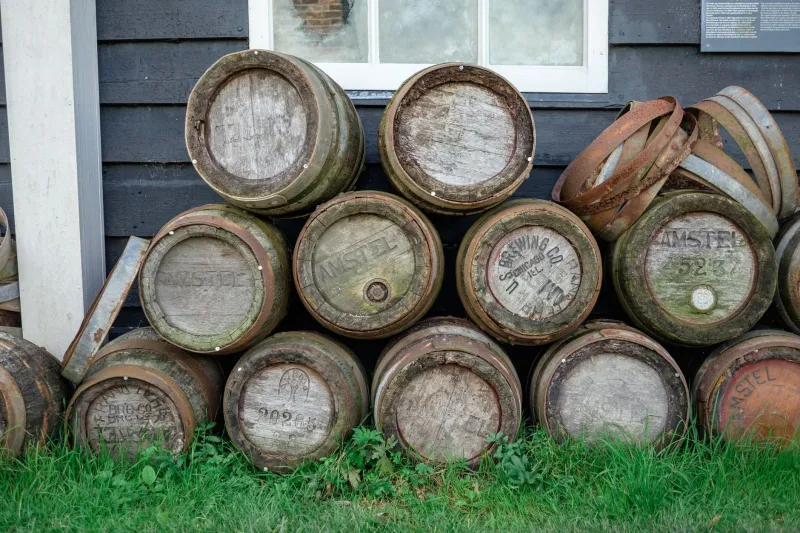
There's a dusty ledger sitting in a Wisconsin historical society archive that hasn't been opened in decades. Inside, written in faded German script, are the hop ratios, malt bills, and fermentation notes of a Milwaukee lager brewer who shuttered his doors in 1919 — not by choice, but because the federal government told him he had to. That ledger, and thousands like it scattered across the country, are exactly what a new generation of craft brewers is hunting for.
Call it beer archaeology. Call it liquid history. Whatever you name it, the movement to recover, document, and recreate America's pre-Prohibition brewing heritage is quietly becoming one of the most fascinating corners of craft beer culture.
The Recipes That Prohibition Nearly Erased
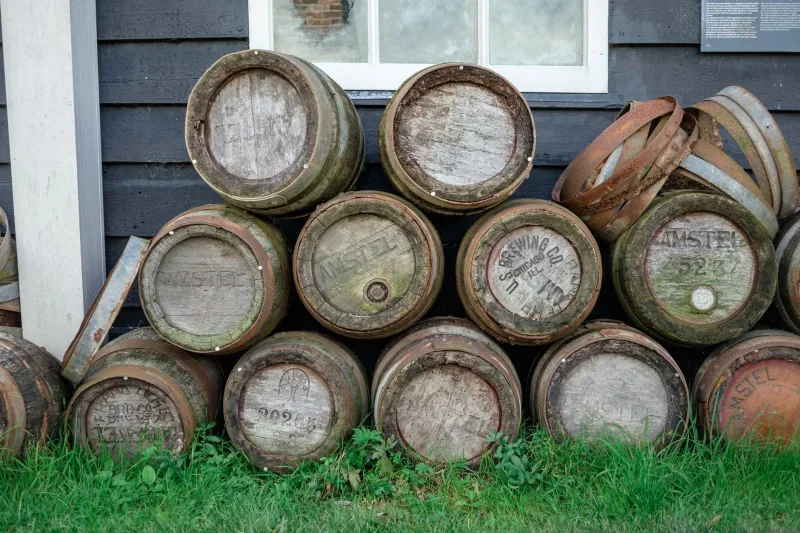
When the Volstead Act took effect in January 1920, it didn't just shut down saloons. It effectively hit a cultural reset button on American brewing knowledge. Breweries closed. Equipment was sold or destroyed. Brewmasters emigrated or found other work. Recipes were tucked into closets, donated to libraries, or simply thrown away.
By the time Prohibition ended in 1933, the institutional knowledge that had taken immigrant brewing communities generations to build had largely evaporated. What came back after repeal was a leaner, more industrialized version of American beer — one optimized for consistency and shelf life, not complexity or regional character.
That's the gap that historical brewers are now trying to close.
"We're not just making old beer for novelty's sake," says one East Coast brewer who has spent the last four years collaborating with a university library's special collections department. "We're trying to understand what American beer actually tasted like before the industry got flattened into a handful of styles."
The Research Process: Part Science, Part Detective Work
Recovering a historical recipe is rarely as simple as finding a document and following the instructions. The challenge, researchers say, is that brewing terminology changed dramatically over time, ingredient specifications were often vague by modern standards, and the raw materials themselves — hops, yeast strains, malt varieties — no longer exist in their original forms.
Take cluster hops, one of the oldest American hop varieties. For most of the 19th century, cluster was essentially the only hop available to domestic brewers. Its flavor profile — earthy, slightly fruity, with a hint of blackcurrant — is dramatically different from the citrusy, tropical hops that dominate craft beer today. Sourcing heritage hop varieties has become its own cottage industry, with specialty growers in the Pacific Northwest and Upstate New York cultivating strains that had nearly disappeared from commercial agriculture.
Yeast is an even trickier puzzle. Several craft breweries have partnered with university microbiologists and organizations like the American Microbrewery Yeast Collection to isolate and propagate yeast strains recovered from old brewery sites, antique bottles, and even sealed wooden fermentation vessels. These aren't just fun experiments — in some cases, they've yielded genuinely distinct flavor profiles that modern commercial strains simply can't replicate.
"The yeast is where the real flavor lives," explains one fermentation researcher who consults with multiple craft breweries on historical projects. "A recipe is a skeleton. The yeast is what gives it a personality."
Breweries Leading the Charge
Across the country, a handful of breweries have built their entire identities around this kind of historical excavation. Some focus specifically on pre-Prohibition American lagers — a style that was far more diverse and nuanced than the light adjunct lagers that eventually dominated the 20th century market. Others dig into colonial-era ales brewed with ingredients like spruce tips, molasses, and pumpkin that predate the widespread availability of European hops in North America.
In Philadelphia, brewers have leaned into the city's deep colonial brewing history, referencing accounts of tavern brewing from the 1700s. In the Midwest, German and Czech immigrant brewing traditions are being revisited with a seriousness that goes beyond simple recreation — brewers are asking what those styles might have become if Prohibition had never happened.
Some of the most exciting work is happening in collaboration with food historians and museum professionals who have spent careers studying material culture. When a brewer and a food historian sit down together over primary source documents, the conversation tends to go places neither discipline could reach alone.
Why It Matters Beyond the Glass
There's an argument to be made that historical brewing research is ultimately about the future, not the past. Every ingredient substitution, every technique adapted from a 19th-century text, every yeast strain coaxed back to viability expands the flavor vocabulary available to contemporary brewers.
The craft beer world has always prided itself on innovation, but innovation without historical grounding can end up being repetitive — the same tropical IPAs and pastry stouts cycling through tap lists year after year. Understanding where American brewing came from opens up genuine creative territory that's distinct from chasing the latest trend.
There's also a cultural preservation argument that resonates beyond the brewing community. Beer was central to immigrant identity in 19th-century America. German, Czech, Irish, Scandinavian, and Eastern European communities all brought distinct brewing traditions with them, and those traditions are embedded in the broader story of how those communities built lives in a new country. Recovering those recipes is, in a small way, recovering a piece of that story.
Tasting the Archive
For drinkers, the most immediate reward is simply getting to taste something genuinely unfamiliar. A properly researched pre-Prohibition lager — brewed with six-row barley, cluster hops, and a period-appropriate lager yeast — tastes like nothing currently on the market. It's not worse or better than a modern craft lager. It's just different in ways that are hard to describe until you've experienced them.
That sense of discovery is exactly what craft beer culture is supposed to be about. Not just drinking well, but learning something along the way. When a brewer hands you a pint and says "this is what Milwaukee tasted like in 1905," you're not just drinking beer. You're drinking history.
And honestly? That's a pretty good reason to order another round.