Pints in the Heartland: How Rural America's Craft Breweries Are Putting Small Towns on the Map
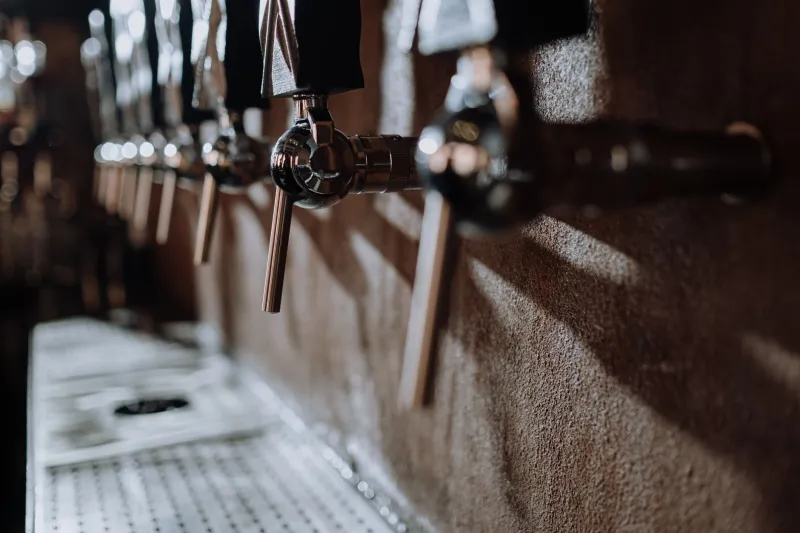
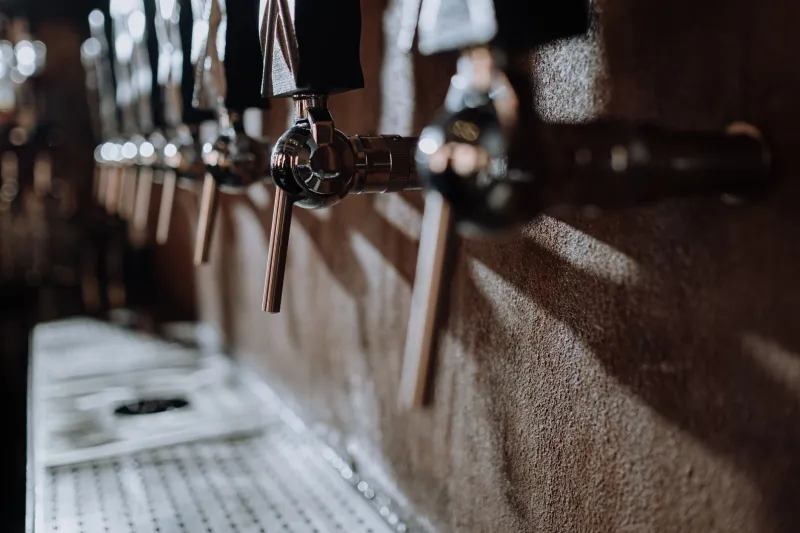
Drive far enough outside any major American city and the landscape starts to change. Strip malls give way to open fields. Chain restaurants disappear. And if you're lucky — really lucky — you'll spot a hand-painted sign pointing you toward a taproom you never expected to find.
That's been happening more and more across rural America, and it's not a coincidence. A quiet but powerful movement is underway, one pint at a time, reshaping what it means to visit — or live in — a small town.
The Unlikely Destination Problem, Solved
For decades, rural communities have wrestled with a stubborn challenge: how do you attract visitors, keep young residents from leaving, and build an economy when you're three hours from the nearest interstate exit? Tourism consultants have pitched everything from heritage museums to agritourism farms, and while those efforts have their place, craft breweries have proven to be something different entirely.
They're social hubs. They're conversation starters. And they give people a concrete reason to make the drive.
Take Marble Falls, Texas, or Whitefish, Montana — towns that were already scenic but lacked a true gathering place that felt authentically local. Craft breweries didn't just fill that gap; they created an identity. Once a taproom opens its doors, it has a funny way of pulling other businesses along with it. A bottle shop here, a food truck there, a weekend farmer's market that suddenly has a reason to stick around.
Brewers Who Chose the Road Less Traveled
Not every craft brewer ends up in a rural setting by accident. A growing number are making deliberate choices to set up shop far from the crowded urban tap lists, and their reasons are as varied as the beers they make.
Josh Hensley co-founded a small operation in a former grain elevator in Crab Orchard, Kentucky — population just over 700. "People thought we were crazy," he says with a laugh. "But that's exactly why we did it. There was no competition, there was this incredible building with history, and the community needed something to rally around."
Hensley's brewery sources local sorghum and wildflower honey, ingredients that would be nearly impossible to access affordably in a big city but are practically in his backyard. That connection to place isn't just a marketing angle — it's baked into every batch.
Similar stories are playing out from the Ozarks to the Upper Peninsula of Michigan. Brewers are tapping into regional grain farms, foraging for wild ingredients, and collaborating with local ranchers and orchardists in ways that big-city operations simply can't replicate at scale. The result is beer that genuinely tastes like somewhere — and that authenticity is exactly what today's craft beer traveler is chasing.
The Economic Ripple Effect
It's easy to romanticize the taproom-in-the-cornfield narrative, but the economic data behind this trend is worth taking seriously. A single craft brewery in a small town can create a surprising number of direct jobs — brewing staff, taproom servers, kitchen workers — but the indirect impact often runs even deeper.
Bed and breakfasts report upticks in weekend bookings. Local restaurants see dinner traffic on nights that used to be dead. Gas stations, hardware stores, and flower shops all benefit when people are making a day trip — or an overnight stay — to a town they'd otherwise blow past on the highway.
The Brewers Association has noted that rural brewery tourism is one of the fastest-growing segments of the broader craft beer travel market. Enthusiasts aren't just visiting breweries; they're building itineraries around them. A well-placed taproom can anchor an entire weekend adventure for a couple from Indianapolis or a group of friends from Nashville looking to get out of the city.
Local Ingredients, Local Identity
What makes rural craft breweries especially compelling from a beer lover's perspective is the ingredient story. When you're in the middle of hop country in the Yakima Valley or surrounded by apple orchards in Vermont's Northeast Kingdom, the raw materials for extraordinary beer are right there.
But even in less obvious agricultural settings, creative brewers are finding what they need. A brewer in rural Alabama might be working with local pecans and sourwood honey. One in the Dakotas might be experimenting with heritage wheat varieties grown just down the road. These aren't gimmicks — they're genuine expressions of terroir, a concept more commonly associated with wine but increasingly relevant to craft beer.
Drinking a pint made with ingredients grown within sight of the taproom windows is a fundamentally different experience than cracking open a can shipped across three time zones. Rural breweries understand this, and they lean into it hard.
Community Pride, Poured Fresh
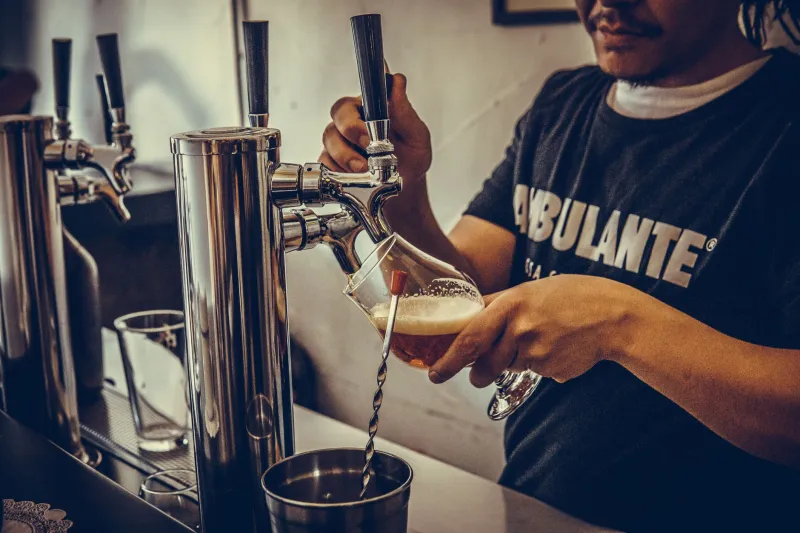
Perhaps the most underappreciated part of the rural brewery story is what happens inside the taproom itself. In small towns, there aren't always a lot of places where people from different walks of life mix comfortably. The craft brewery, with its long communal tables and rotating tap list, has a way of bringing people together that few other businesses can match.
Farmers share barstools with remote workers who moved to town during the pandemic. High school teachers strike up conversations with tourists who wandered in off a scenic byway. Locals who might never have thought of their hometown as special start seeing it differently when strangers are making a pilgrimage to taste what they make there.
"The brewery gave people here something to brag about," says one taproom owner in rural West Virginia. "And that sounds small, but it isn't. Pride matters. When people feel proud of where they're from, they invest in it."
Planning Your Own Rural Pint Pilgrimage
If this has you itching to map out a road trip that veers well off the beaten path, you're in good company. A few tips for finding the hidden gems:
- Check regional brewery associations. Most states have a craft brewers guild, and many maintain maps or directories that include rural operations often overlooked by national apps.
- Follow local ingredient trails. Hop farms, apple orchards, and grain mills sometimes partner with nearby breweries. Start with the ingredient and work backward to the beer.
- Plan around festivals. Many rural breweries host small harvest festivals, anniversary parties, or seasonal release days that transform a regular visit into a full event.
- Give yourself time. The whole point of the rural brewery experience is slowing down. Don't try to hit five taprooms in a day. Find one, sit down, and actually talk to the people who made your beer.
The Bigger Picture
The craft beer renaissance happening in rural America isn't just a feel-good story for beer enthusiasts, though it's certainly that too. It's a case study in how a passionate, community-minded industry can do something that government programs and economic development plans have struggled to accomplish: make a struggling small town feel alive again.
Not every rural brewery will survive — the economics of the industry are tough anywhere — but the ones that put down roots and commit to their communities are proving that great beer doesn't require a city zip code. Sometimes the best pint you'll ever have is waiting for you at the end of a two-lane road, poured by someone who chose that road on purpose.
Next time you're planning a weekend, consider pointing the car somewhere unexpected. The heartland has been brewing something good, and it's ready for you to find it.