Beyond the Pint: How Craft Beer Lovers Are Turning Passion Into Credentials
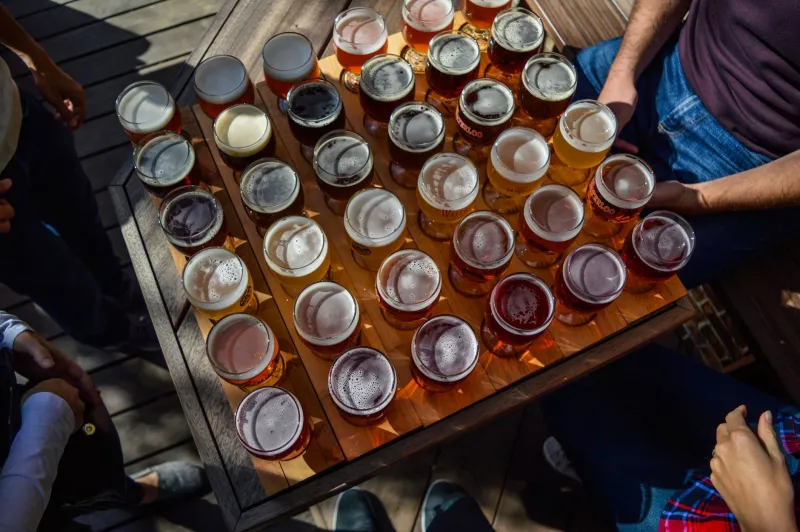
There's a moment a lot of craft beer fans know well. You're standing at a tap wall with 30 options staring back at you, and you realize you have no idea what half of them actually mean. You've been drinking great beer for years — maybe you even homebrew on weekends — but the language of malt profiles, hop compounds, and fermentation chemistry still feels just out of reach.
For a growing number of enthusiasts across the country, that moment is the spark that sends them straight to the Cicerone Certification Program.
If you haven't heard of it yet, you probably will soon. The Cicerone program — along with a handful of other formal beer education paths — has quietly become one of the most talked-about trends in the craft beer community. And it's not just industry professionals signing up. Regular drinkers, taproom regulars, and self-described beer nerds are cracking open the study guides, hitting the flashcards, and sitting for exams that test everything from draft system maintenance to the sensory science behind off-flavors.
So what's driving it? And what do people actually walk away knowing?
What the Cicerone Program Actually Is
Founded in 2008 by Ray Daniels, the Cicerone Certification Program was originally designed to bring a wine-sommelier-style credentialing system to the beer world. The idea was straightforward: if wine had a rigorous, respected pathway for professionals to demonstrate expertise, why shouldn't beer?
The program has four levels. The entry-level Certified Beer Server exam is an online test that covers beer styles, storage, and service basics — accessible enough that plenty of curious drinkers tackle it as a first step. The next tier, Certified Cicerone, is where things get serious. It involves a written exam, a tasting component, and a demonstration section that tests practical skills like identifying flaws in beer by taste alone.
Above that sit the Advanced Cicerone and the rare Master Cicerone — a designation so demanding that fewer than 30 people in the world currently hold it.
For most enthusiasts, the Certified Beer Server or Certified Cicerone level is the sweet spot. Challenging enough to teach you something real, achievable enough to stay motivating.
What You Actually Learn (That You Can't Get From Drinking Alone)
Here's the thing people often don't expect: the certification process teaches you to taste differently, not just to know more facts.
A big chunk of the Certified Cicerone curriculum focuses on off-flavor identification — the skill of recognizing exactly what's wrong with a beer and understanding why. Acetaldehyde gives beer a green apple character and signals incomplete fermentation. Diacetyl produces that buttery or butterscotch note that might be charming in tiny amounts but overwhelming when fermentation is rushed. DMS, or dimethyl sulfide, creates a cooked corn or canned vegetable taste. Learning to spot these flaws — deliberately introduced into samples during the tasting exam — fundamentally changes how you experience every pint afterward.
Beyond sensory training, the curriculum covers beer history, brewing science, food pairing principles, and the mechanics of draft systems. That last one surprises a lot of people. Understanding why a beer pours foamy or flat, how line length and temperature affect carbonation, and what a dirty tap line actually tastes like — that's knowledge that makes you a much more informed drinker and a better advocate for quality at your local bar or taproom.
Why Enthusiasts (Not Just Pros) Are Pursuing It
Talk to people who've gone through the process outside of a professional context and a few themes come up again and again.
First, there's the community angle. Study groups for Cicerone exams have become a legitimate social scene in a lot of US cities. Beer lovers meet up at taprooms, work through study materials together, and build friendships around a shared intellectual project. For people who already love hanging out at breweries, it adds a layer of purpose to the pint.
Second, there's the confidence factor. Craft beer menus can feel intimidating — especially as more breweries experiment with unusual ingredients, hybrid styles, and niche techniques. Having a framework for understanding what you're tasting, and vocabulary to describe it, makes the whole experience more rewarding. You stop guessing and start actually engaging with what's in the glass.
Third — and this one's interesting — some enthusiasts are using their credentials to take on informal leadership roles in their local beer scenes. Certified Beer Servers and Cicerones are showing up as hosts for tasting events, contributors to local beer clubs, and trusted voices in online communities. The credential signals genuine knowledge, which opens doors that pure enthusiasm alone sometimes doesn't.
Other Paths Worth Knowing About
Cicerone isn't the only game in town. The Beer Judge Certification Program, or BJCP, has been around since 1985 and is deeply embedded in the homebrewing world. BJCP-certified judges evaluate beers at competitions using detailed style guidelines — it's a different kind of expertise, more focused on judging against defined standards than on service and pairing.
The Master Brewers Association of the Americas and the American Brewers Guild offer more production-focused education, leaning toward people who want to understand — or get into — the actual brewing process.
For the casual enthusiast who just wants a solid foundation, some craft breweries and local homebrew shops have started offering their own informal education series: multi-week tasting courses, style deep-dives, or pairing dinners led by certified staff. These aren't credentialed programs, but they scratch a similar itch and often feed directly into people deciding to pursue formal certification afterward.
Does It Make the Beer Taste Better?
Honestly? Most people who've gone through the process say yes — but not in the way you might expect.
The beer itself doesn't change. What changes is your attention. When you've spent hours training your palate to notice specific compounds, flavors, and aromas, you stop drinking on autopilot. You slow down. You notice the way a hazy IPA's hop character shifts as it warms up. You catch the subtle roast in a porter that you would have just called "dark" before. You start having opinions that are grounded in something more than vibes.
For a lot of certified enthusiasts, that's the real payoff — not the certificate on the wall, but the permanent upgrade to how they experience something they already loved.
The Takeaway
The rise of formal beer education among everyday enthusiasts says something genuinely cool about where craft beer culture is right now in the US. It's not just a drink anymore — it's a subject worth studying, a community worth investing in, and a craft worth understanding at a deeper level.
Whether you're eyeing the Certified Beer Server exam as a fun personal project or seriously considering working toward a full Cicerone credential, there's never been more support, more resources, or more fellow travelers on that road. And at the end of it, you'll still be sitting at a tap wall with 30 options — but you'll know exactly what to order.