Skunked, Stale, or Just Right: The Real Reason Your Craft Beer Tastes Off
You cracked open that hazy IPA you'd been saving for a special occasion. Maybe it was a limited release from your favorite local taproom, or a four-pack you grabbed on a road trip and hauled home like a trophy. Either way, you took that first sip — and something was wrong. It was flat, weirdly sweet, or just... muted. The hops that were supposed to hit you with tropical citrus barely whispered.
So what happened?
Short answer: time, heat, and light are craft beer's worst enemies. Long answer? It's a little more complicated, and understanding it will genuinely change how you buy, store, and enjoy your beer.
What Beer Actually Does After It Leaves the Brewery
Here's something a lot of casual drinkers don't realize: beer is a living, changing product. Even after it's been packaged, the chemistry inside that can or bottle keeps moving. Yeast, dissolved oxygen, residual sugars, hop compounds — they're all interacting constantly. The brewer's job is to slow that process down as much as possible. Your job, once you walk out of the taproom, is to not speed it back up.
"Every hop-forward beer we make has a countdown clock the moment it leaves our hands," says one head brewer at a small Pacific Northwest craft operation. "We do everything we can on our end — purging oxygen, cold-crashing, packaging fast. But once it's out in the world, we're crossing our fingers."
That's not doom and gloom, by the way. It's just the reality of working with a perishable product that most people treat like a pantry staple.
The Three Villains: Oxygen, Heat, and Light
Oxidation: The Slow Fade
Oxidation is the big one. When oxygen gets into your beer — whether through a tiny imperfection in the seal, dissolved in the liquid itself, or introduced during packaging — it triggers a cascade of chemical reactions that break down flavor compounds over time. The result? A flat, papery, or cardboard-like taste that brewers sometimes describe as "wet newspaper." In darker beers, oxidation can also produce a sherry-like sweetness that wasn't supposed to be there.
Hop-forward styles like IPAs and pale ales are especially vulnerable. The aromatic compounds that give those beers their punchy citrus, pine, or tropical character — called hop oils and iso-alpha acids — degrade quickly once oxygen enters the picture. A West Coast IPA that's a month past its prime can taste more like a bland lager than the bold, bitter beer it was brewed to be.
Heat: The Accelerant
Temperature is essentially a dial that controls how fast all of this happens. The warmer the environment, the faster the chemical reactions. Brewers use what's called the "rule of 10" as a rough guideline: for every 10°C increase in storage temperature, the rate of chemical degradation roughly doubles. In practical terms, that means a beer stored in a warm garage or left on a sunny countertop can age as much in a week as it would in a month inside a cold refrigerator.
This is why the journey from brewery to your hands matters so much. Beer that's been sitting in a hot delivery truck, then on an unrefrigerated shelf at a big-box retailer, then in your trunk on a summer afternoon has been through a lot — even if it was packaged last week.
"We always tell people: buy cold, keep cold," says a quality control manager at a mid-size Midwest craft brewery. "If you bought it warm off a shelf, that's not necessarily a dealbreaker, but get it into your fridge as soon as you can and drink it sooner rather than later."
Light: The Skunk Factor
If you've ever tasted a beer that had a strange, skunky or sulfuric odor, you've encountered lightstruck beer — and yes, it's exactly what it sounds like. Ultraviolet and visible light trigger a reaction between hop compounds and sulfur-containing molecules in the beer, producing a chemical called 3-methyl-2-butene-1-thiol. That's the same compound found in skunk spray, and it only takes a tiny amount to ruin a beer's aroma.
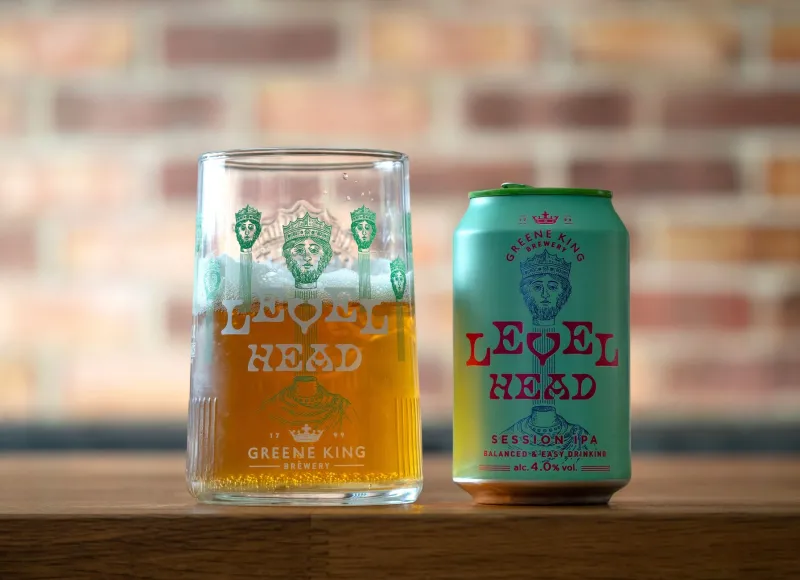
Clear and green glass bottles are the worst offenders, which is why many brewers have moved toward cans or brown glass. Cans, in particular, offer near-total protection from light and a better oxygen barrier than most bottle caps. If you've noticed that your favorite craft brewery recently made the switch to cans, this is a big part of why.
Cracking the Code on Freshness Dates
Most craft cans and bottles have a freshness date printed somewhere on the packaging — but finding it can feel like a scavenger hunt. Some breweries print a "canned on" date; others use a "best by" date. Neither is standardized across the industry, which makes comparison shopping tricky.
As a general rule of thumb:
- Hop-forward beers (IPAs, pale ales, hazy ales): drink within 60–90 days of the package date for peak flavor. After that, the hop character starts fading fast.
- Malt-forward beers (stouts, porters, amber ales): more forgiving, often drinkable up to six months or beyond.
- Sours and wild ales: can actually improve with age in some cases, similar to wine.
- High-ABV barrel-aged beers: designed for aging, sometimes for years, though storage conditions still matter enormously.
When in doubt, reach out to the brewery directly. Most craft brewers are incredibly approachable and happy to tell you exactly how long their beer should keep and under what conditions.
How to Actually Store Your Beer Properly
Okay, enough science. Here's the practical stuff:
Keep it cold. A dedicated beer fridge is the gold standard, ideally set between 35°F and 45°F. If that's not realistic, the coldest, darkest corner of your regular fridge works fine. Avoid the garage in summer or anywhere with temperature swings.
Store cans and bottles upright. Contrary to wine, beer shouldn't be stored on its side. Keeping it upright minimizes the surface area of beer exposed to the small amount of oxygen in the headspace.
Block the light. If you're storing bottles in a place with any light exposure, wrap them or keep them in a box. Brown bags work in a pinch.
Drink fresh, drink often. This one's easy. The best storage strategy is to buy what you'll actually drink in a reasonable timeframe. Rotate your stock. Don't hoard that IPA for six months because you're "saving it" — drink it now while it's alive.
Know what you're aging. If you're building a cellar of barrel-aged stouts or barleywines, that's a different conversation. But even those beers need a cool, stable, dark environment to age gracefully.
The Bigger Picture
Craft beer is one of the most thoughtfully made beverages in America right now. Brewers obsess over water chemistry, yeast strains, fermentation temperatures, and dry-hop schedules to deliver something genuinely special in every batch. A little knowledge on the consumer end — knowing what to look for, how to store, and when to drink — goes a long way toward honoring that work.
Next time you crack a can, take a second to check the date. Think about where it's been stored. And if something tastes off, don't just shrug it off — now you know exactly why it happened, and how to make sure it doesn't happen again.
Your taste buds will thank you.