Everyone's Welcome at the Bar: The Craft Breweries Rewriting What a Taproom Can Be
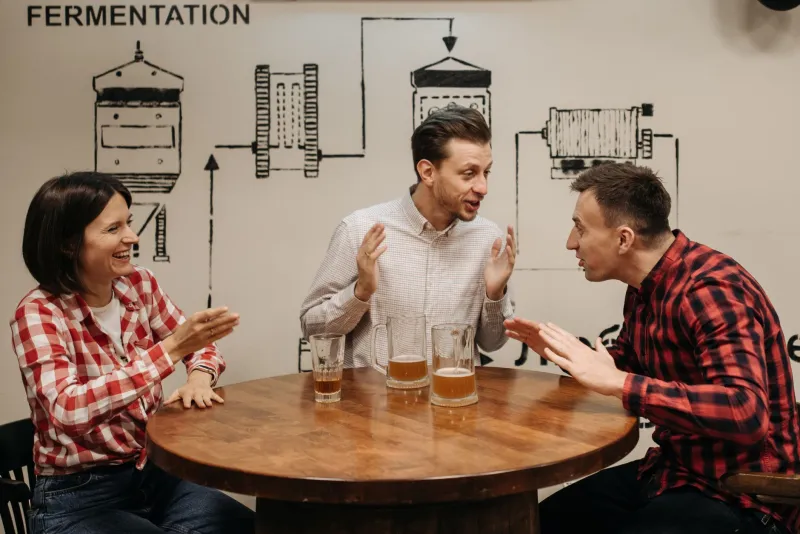
Walk into the average craft brewery taproom circa 2010 and the vibe was pretty consistent: exposed ductwork, reclaimed wood, and a crowd that skewed pretty heavily in one demographic direction. The beer was often fantastic. The sense of 'this place is for everyone' was sometimes harder to find on tap.
Fast forward to today, and something genuinely exciting is happening across the American craft beer scene. Breweries are rethinking what a welcoming space actually looks like — and more importantly, who gets to feel like a regular.
Beyond the Bro Culture Stereotype
The craft beer industry has had an honest reckoning with itself over the past several years. Data from the Brewers Association has consistently shown that while craft beer drinkers are more diverse than many assume, the faces behind the bar and in the ownership chairs have historically been far less so. Women make up roughly 40% of craft beer drinkers in the US, yet for a long time that wasn't reflected in brewery marketing, taproom design, or even the beers themselves.
That's changing, and it's changing in real, tangible ways — not just in mission statements.
Breweries like Weathered Souls Brewing Co. in San Antonio have become touchstones for the conversation around representation in craft beer. Founded by Marcus Baskerville, Weathered Souls launched the Black Is Beautiful initiative in 2020, which saw over 1,200 breweries worldwide brew a collaboration stout to raise awareness and funds for social justice organizations. It was a moment that demonstrated just how much reach the craft beer community has when it decides to use it intentionally.
On the West Coast, Bine & Vine and similar woman-owned taprooms have built loyal followings by creating spaces where the default customer isn't assumed. The design choices, the staff makeup, the events programming — all of it sends a message about who belongs there.
The Non-Alcoholic Revolution Inside the Taproom
One of the most significant shifts in the inclusive taproom movement is one that might seem counterintuitive for a brewery: the serious embrace of non-alcoholic options.
For a long time, the designated driver got a fountain soda and a polite shrug. That's not good enough anymore, and a growing number of craft breweries are recognizing it. NA craft beers — real ones, brewed with the same care as their alcoholic counterparts — are now appearing on tap lists at some of the most respected taprooms in the country.
Breweries like Bravus Brewing Co. in California have built their entire identity around NA craft beer, producing IPAs, stouts, and wheat beers that can hold their own in a tasting flight. Meanwhile, established craft breweries are adding NA lines to their regular offerings, partly to capture a growing market and partly because it's just the right thing to do.
"We want people to come here with their friends and feel like they're participating in the experience, not just watching it," said one taproom manager at a Denver brewery that recently revamped its NA menu to include three house-brewed zero-proof options. "That matters whether someone is pregnant, sober, or just not drinking tonight."
The numbers back up the investment. The non-alcoholic beer market in the US has been growing at double-digit rates, and younger consumers in particular are driving demand. Craft breweries that get ahead of this aren't just being inclusive — they're being smart.
Designing Spaces That Say 'You Belong Here'
Inclusion isn't just about what's on the menu. It's about how a space feels the moment you walk through the door.
Some breweries are approaching this with intentional design. Gender-neutral restrooms. Changing tables in every bathroom, not just one. Outdoor spaces that are stroller-accessible. Noise levels and lighting that don't make the space feel exclusionary to people with sensory sensitivities. These aren't radical ideas — they're just thoughtful ones.
Events programming is another powerful lever. Breweries hosting women's homebrew nights, LGBTQ+ beer festivals, and BIPOC brewery tours are actively building community rather than waiting for it to show up organically. Portland's Queer Beer events, similar programming in Chicago and Atlanta, and a growing calendar of women-in-brewing conferences are turning taprooms into genuine community hubs.
The physical space matters too. One brewery in Minneapolis redesigned its taproom layout after gathering feedback from customers who felt the original setup — long communal tables only — was uncomfortable for solo visitors or small groups who didn't want to share space with strangers. The redesign included a mix of seating options, and the owner reported an immediate uptick in solo visitors and first-timers.
What This Means for the Future of Craft Beer
Here's the thing about building an inclusive taproom: it doesn't dilute what makes craft beer special. It expands it.
The soul of the craft beer movement has always been about passion, creativity, and community. A taproom that makes more people feel genuinely welcome doesn't water that down — it deepens it. More perspectives in the room means more conversations about beer, more people discovering styles they love, more folks who might eventually decide to homebrew or work in the industry themselves.
The breweries leading this charge aren't doing it at the expense of great beer. They're doing it alongside great beer, and the results speak for themselves in the form of loyal, diverse communities that show up consistently and bring their friends.
If you haven't visited a brewery lately that's made you feel like it was built with you in mind — whoever you are — it might be time to seek one out. They're out there, they're pouring something delicious, and there's a barstool with your name on it.