Chart Your Own Course: How to Build a Personal Craft Beer Tasting Map Across America

There's a moment that happens to a lot of craft beer enthusiasts — usually somewhere between your third IPA flight and your second sour — when you realize you can't quite remember where you tasted that incredible barrel-aged stout last fall. Was it that taproom in Asheville? The farmhouse brewery outside of Burlington? You know it was somewhere with exposed brick and a dog named something like Biscuit.
That's the moment most serious beer lovers decide to get organized. And honestly? It's one of the best decisions you can make.
Building a personal craft beer tasting map isn't just about keeping receipts. It's about creating a living record of your relationship with American brewing culture — one that gets richer and more meaningful the longer you maintain it. Think of it less like a spreadsheet and more like a travel diary where every entry smells faintly of hops.
Start With a Framework (But Keep It Flexible)
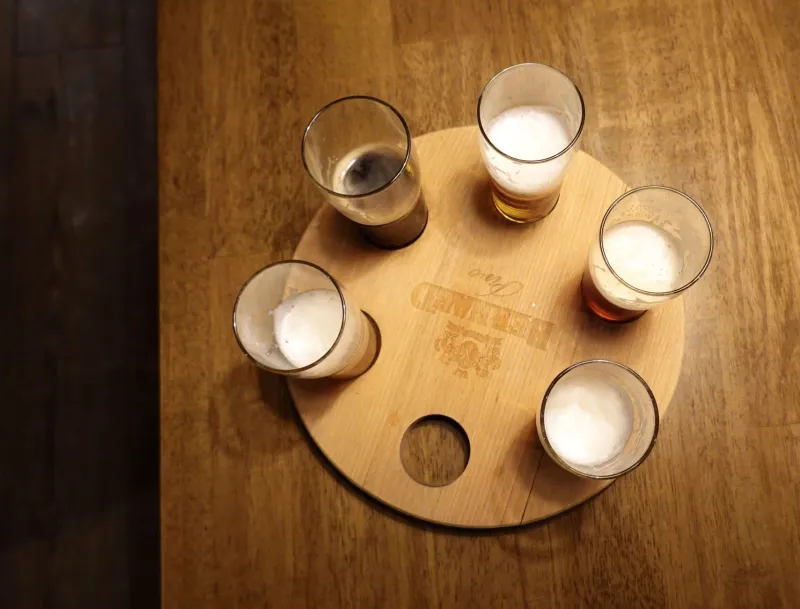
Before you crack open your first tracked pint, it helps to decide what kind of explorer you want to be. Some folks go deep — focusing on a single style, like wild ales or West Coast IPAs, and tracing how different breweries interpret it across regions. Others go wide, prioritizing geographic coverage and trying to hit at least one brewery in every state they visit.
Neither approach is wrong. But having some kind of framework keeps your tasting map from turning into a chaotic list of beer names you can't place six months later.
A solid starting structure might include:
- Brewery name and location (city, state, neighborhood if it matters)
- Beer name and style
- ABV and any notable ingredients
- Your tasting notes (aroma, flavor, mouthfeel, finish)
- Date and context (was it a hot July afternoon? A winter tap takeover?)
- A personal rating — whatever scale feels intuitive to you
- Would you go back? A simple yes/no/absolutely can save you a lot of future deliberation
You don't need to fill out every field every time. Some visits will be leisurely, some will be quick pints between flights. The goal is consistency over perfection.
The Case for Going Analog (At Least Partly)
Apps like Untappd have made digital beer tracking genuinely effortless, and there's real value in the social layer — seeing what your friends are drinking, discovering new releases, building a searchable history. If you're not already using something like it, it's worth a look.
But a lot of serious tasters keep a physical journal alongside their digital log, and for good reason. Writing by hand slows you down in the best way. When you're actually describing what you're tasting — trying to put words to that weird, wonderful combination of stone fruit and pine resin — you're training your palate in real time. You notice things you'd otherwise scroll past.
A dedicated tasting notebook doesn't have to be fancy. A pocket-sized Moleskine works great. Some people print out simple tasting grids and keep them in a binder. Others go full scrapbook mode, taping in coasters, can labels, and handwritten notes from brewers they've chatted with. There's no wrong version of this.
Thinking Regionally Changes Everything
One of the most rewarding parts of building a tasting map is starting to see America's brewing landscape in regional terms. Once you've had enough beers from enough places, patterns start to emerge — and they're genuinely fascinating.
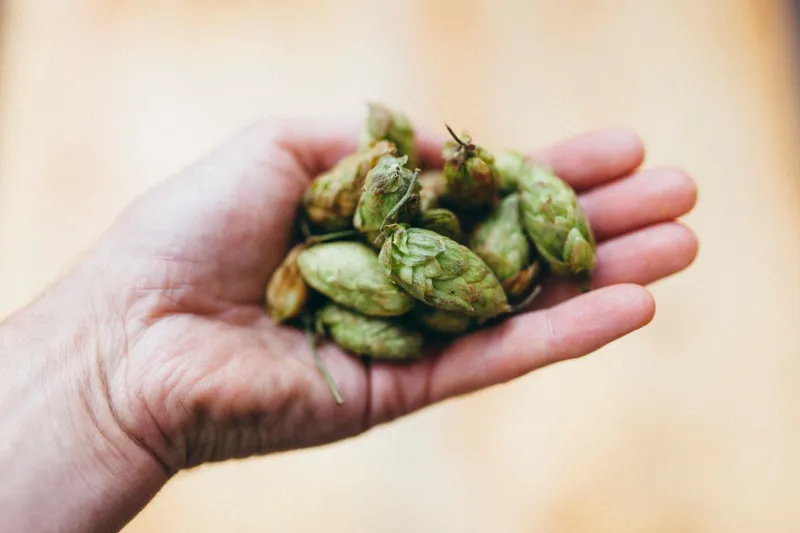
Pacific Northwest breweries tend to lean hard into bold, resinous hops, reflecting the region's agricultural identity. New England taprooms have built a culture around hazy, soft IPAs that feel almost like drinking citrus juice. The South is doing increasingly interesting things with adjuncts and local ingredients — think sorghum, local honey, and pecans showing up in ways that feel completely native to the place.
When you're planning a trip, use your tasting map as a research tool. Look at what you've enjoyed from a given region before you go, identify the gaps in your experience, and build a loose itinerary around filling them. You're not just visiting breweries — you're learning how a place expresses itself through fermentation.
Seasonal Tracking: The Detail Most People Miss
Here's something that doesn't get talked about enough in the beer-tourism conversation: timing matters enormously. A lot of the most exciting beers in America are only available for a few weeks a year, tied to harvest schedules, seasonal ingredients, or a brewer's personal obsessions.
When you're logging your visits, note the season and, if possible, the time of year in more specific terms. That Märzen you loved in October at a small Munich-style lager house in Cincinnati is going to taste different — and might not even be on tap — if you roll in during March. Fresh-hop ales in the Pacific Northwest are essentially a September phenomenon. Barrel-aged releases often drop in the colder months, when the flavors hit differently anyway.
Building seasonal awareness into your tasting map turns it into something more like a naturalist's field journal — a record of how beer and place and time all intersect.
Making It Social Without Losing the Plot
Your tasting map is ultimately a personal document, but sharing pieces of it can make the whole project more fun. Trading recommendations with other enthusiasts — whether that's in an online community, at a local homebrew club, or just texting a friend who's as obsessed as you are — often surfaces breweries and beers you'd never find on your own.
Some craft beer travelers have started organizing informal "passport swaps" where they share highlights from their logs and plan joint trips based on overlapping interests. It's a low-key, genuinely fun way to turn a solo hobby into a shared one without making it feel like homework.
Just don't let the social element pressure you into chasing hype over genuine curiosity. The best entry in your tasting map might be a $6 lager at a tiny taproom that nobody on the internet has ever written about — and that's kind of the whole point.
Your Map Is Never Finished
Here's the thing about building a personal craft beer tasting map: it doesn't have an endpoint. American brewing is too dynamic, too regional, too seasonally alive for any log to ever feel truly complete. New breweries open every week. Established ones release beers that surprise even their most loyal regulars. Styles evolve. Brewers move around, collaborate, and push in directions nobody predicted.
That's not a bug — it's the whole appeal. Your tasting map is a document of a journey that keeps going as long as you keep showing up, glass in hand, ready to be surprised by what's out there.
So grab a notebook, download an app, pull up a blank spreadsheet, or just start taking better notes on your phone. The first entry is the hardest. Everything after that is just the next great pint waiting to happen.