Cold, Warm, or Just Right: How Serving Temperature Unlocks Hidden Flavors in Your Craft Beer
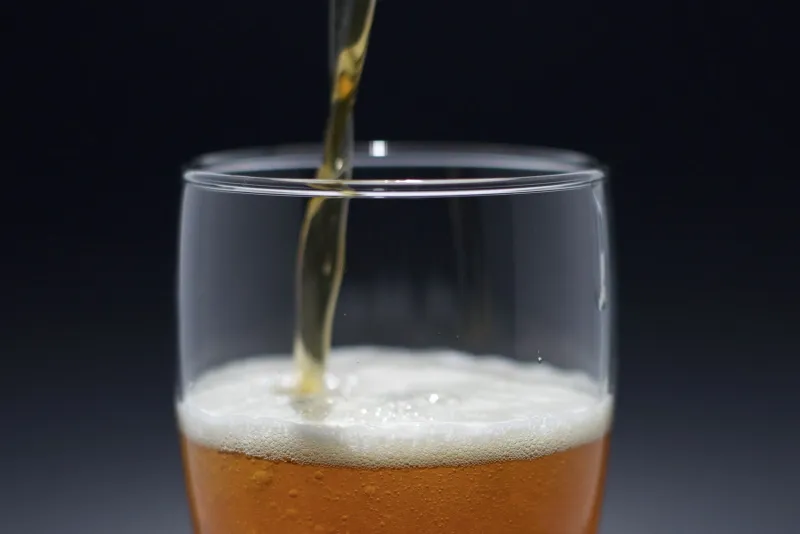
There's a moment that every serious craft beer enthusiast eventually hits — you crack open a bottle of something genuinely special, something you maybe drove forty minutes out of your way to pick up at a local taproom, and it tastes... fine. Not remarkable. Not the revelation you were promised. You check the label again. Same beer. So what gives?
Nine times out of ten, the answer is temperature. Not the hops, not the water chemistry, not even your glassware. Just temperature. It's the most underrated variable in the entire tasting experience, and once you start paying attention to it, you'll never go back to drinking straight from the fridge without thinking twice.
Why Temperature Messes With Your Taste Buds
Here's the basic science: your taste receptors and olfactory system — the combo that makes flavor perception possible — are highly sensitive to temperature. Cold suppresses volatility, which is a fancy way of saying that chilly beer releases fewer aromatic compounds into the air above your glass. And since somewhere between 70 and 80 percent of what we perceive as "taste" actually comes from smell, a beer that's too cold is essentially muting itself before you even take a sip.
On the flip side, warmth accelerates the release of those aromatic compounds. That's great news for a rich English barleywine or a complex Belgian quad, where you want those dried fruit esters and warming alcohol notes front and center. But crack open a light lager or a crisp Kölsch at room temperature and you'll find it tastes flabby, slightly sweet, and weirdly off — because those styles depend on cold to keep bitterness clean and carbonation lively.
Carbonation itself is temperature-dependent, too. CO2 stays dissolved in colder liquid more readily. Warm it up and those bubbles escape faster, which changes mouthfeel, head retention, and the way bitterness registers on your palate. It's all connected.
The General Guidelines (and Why They Actually Matter)
Most craft beer educators break serving temps into a few practical ranges, and they're worth committing to memory:
- 35–40°F: Light lagers, American wheat beers, session IPAs. Styles where crispness and refreshment are the whole point.
- 40–45°F: Most IPAs and pale ales, pilsners, hefeweizens. Cold enough to keep hop aromatics sharp, warm enough to let a little malt sweetness peek through.
- 45–50°F: Amber ales, brown ales, Märzens, sour ales. This range starts to open up caramel malts and let fruity fermentation character breathe.
- 50–55°F: Porters, stouts, Belgian ales, farmhouse saisons. Roasty, complex, and yeast-forward styles need this warmer window to show off everything they've got.
- 55–60°F: Barleywines, imperial stouts, strong Belgian ales, English old ales. Think of these like fine red wine — too cold and they're almost impenetrable.
Your standard American refrigerator runs around 35–38°F, which means almost every craft beer you pull straight from it is being served too cold. A quick 10–15 minute rest on the counter before pouring can make a surprising difference for anything above the light lager category.
Home Storage: Setting Yourself Up for Success
If you're building out a home tasting setup — even just a corner of a shelf in the basement — a few small investments go a long way. A dedicated mini fridge with an adjustable thermostat is the dream scenario. You can set it to 45–50°F and store most of your craft stash in a range that works reasonably well across styles, then pull out imperial stouts and barleywines to warm up before you pour.
For cellaring bigger beers meant to age — and yes, some craft beers genuinely benefit from a year or two in the bottle — a consistent 50–55°F environment is ideal. Avoid temperature swings at all costs. A bottle that cycles between cold nights and warm afternoons is aging unevenly, and that inconsistency can accelerate off-flavor development.
Light is another enemy worth mentioning here. UV exposure causes the isomerized alpha acids in hops to break down into the compound that produces that classic "skunky" smell. Cans sidestep this entirely; brown bottles offer decent protection; green and clear glass offer almost none. Keep your bottles somewhere dark, and you'll protect the flavors you're trying to coax out.
Glassware's Role in the Temperature Equation
Your glass matters more than you might think, and not just for aesthetics. A thick-walled tulip or snifter retains cold longer than a thin shaker pint, which can work in your favor when you're nursing a hoppy double IPA and want to keep it from warming too fast. On the other hand, that same thick glass might work against you if you're trying to let a big stout open up — it'll hold the temperature steady rather than letting the beer climb naturally toward that 55°F sweet spot.
One trick worth trying: warm your glass slightly with a quick rinse of warm (not hot) water before pouring a Belgian quad or barleywine. It gives the beer a gentle nudge toward the right temperature range right from the first sip. Conversely, chilling your glassware in the freezer for 10 minutes before pouring a pilsner keeps things crisp longer on a hot summer afternoon.
Holding the glass by the stem or the base — rather than cupping the bowl — also prevents your hand's warmth from raising the temperature faster than you want. It sounds like a small thing, but over a 20-minute tasting session, it adds up.
Keeping a Temperature Log in Your Beer Journal
If you're the type who keeps tasting notes — and if you're reading this, there's a good chance you are — start recording the temperature at which you served each beer. It takes five seconds with a cheap instant-read thermometer (the same kind you'd use for cooking), and the data you collect over time will be genuinely illuminating.
You'll start to notice patterns. Maybe you consistently find that a particular local brewery's saison tastes thin and one-dimensional, and then one evening you let it warm to 52°F and suddenly the pepper and clove notes you kept reading about on the label finally make sense. Or maybe you've been letting your IPAs sit out too long before pouring and the hop aroma that makes them worth buying is already half gone by the time it hits the glass.
These aren't abstract lessons from a textbook — they're discoveries you make with beers you actually care about, from breweries you actually want to support. That's what makes temperature awareness such a satisfying skill to develop. It doesn't require any fancy equipment or specialized training. It just requires paying attention.
The Takeaway
Craft beer is built on nuance. The brewers putting out the best stuff in your region are making deliberate choices about every variable they can control — grain bills, hop schedules, fermentation temps, dry-hopping timing. The least you can do on your end is give their work the right conditions to shine.
A few degrees in either direction can be the difference between a beer that tastes ordinary and one that genuinely stops you mid-sip. Once you start treating temperature as a tool rather than an afterthought, your tasting notes get sharper, your appreciation deepens, and honestly, every pour becomes a little more fun. That's what this whole thing is about.